


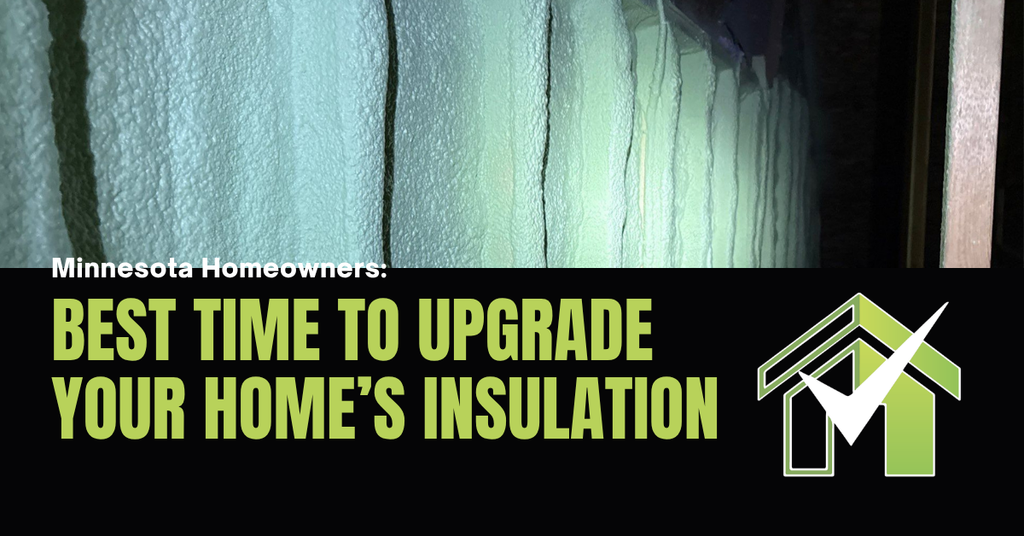
If you’ve been thinking about improving your home’s insulation, there’s no better time than fall to make the investment. While insulation upgrades provide benefits year-round, scheduling your project before Minnesota’s harsh winter weather arrives allows you to maximize energy savings, improve indoor comfort, and prepare your home for months of freezing temperatures.
Many homeowners wait until they notice cold drafts or unexpectedly high heating bills before thinking about insulation. By then, winter has already arrived, and your heating system is working overtime to compensate for energy loss. Planning your insulation upgrade during the fall allows you to stay ahead of the cold while giving your home the protection it needs before temperatures begin to drop.
At Done Right Insulation, we help homeowners throughout Becker, St. Cloud, Sauk Rapids, Sartell, Brainerd, Baxter, Nisswa, Pequot Lakes, Crosslake, and surrounding Central Minnesota communities improve comfort and reduce energy costs with professional residential insulation solutions, including spray foam insulation, fiberglass insulation, and blow-in insulation.
Why Minnesota Homes Lose So Much Heat
Minnesota experiences some of the most demanding weather conditions in the country. Long winters, below-zero temperatures, strong winds, and significant snowfall all place tremendous stress on your home’s building envelope.
Even homes that appear well built can lose a surprising amount of heated air through areas that aren’t properly insulated or sealed.
Common areas where homes lose heat include:
- Attics
- Exterior walls
- Crawl spaces
- Rim joists
- Basements
- Garage walls
- Around plumbing and electrical penetrations
When warm air escapes through these areas, your furnace must continue replacing that lost heat, resulting in higher monthly energy bills and increased wear on your HVAC system.
Many homeowners assume an older furnace is the reason their heating bills continue rising, when in reality the problem often begins with inadequate insulation.
Why Fall Is the Perfect Time for Residential Insulation
While insulation can be installed during any season, fall offers several important advantages.
Prepare Before Winter Arrives
Waiting until December or January often means your home has already experienced significant heat loss.
Installing insulation during September and October helps ensure your home is ready before freezing temperatures arrive.
Instead of reacting to cold weather, you’re preparing for it.
Lower Winter Heating Costs
One of the biggest benefits of upgrading insulation before winter is improved energy efficiency.
Proper insulation helps:
- Reduce heat loss
- Keep warm air inside
- Improve furnace efficiency
- Lower monthly heating costs
- Maintain more consistent indoor temperatures
For many Minnesota homeowners, those savings continue throughout the entire heating season.
Improve Comfort Throughout Your Home
Poor insulation often causes more than expensive utility bills.
It can also create:
- Cold bedrooms
- Drafty living rooms
- Chilly floors
- Uneven temperatures between levels
- Rooms that never seem comfortable
By improving insulation before winter, homeowners often notice immediate improvements in comfort throughout the entire home.
Instead of constantly adjusting the thermostat, your home maintains a more consistent indoor temperature from room to room.
Prevent Winter Moisture Problems
Proper insulation also plays an important role in moisture control.
When warm indoor air escapes into poorly insulated attics or wall cavities, condensation can develop.
Over time this moisture may contribute to:
- Mold growth
- Mildew
- Wood rot
- Damaged insulation
- Poor indoor air quality
Installing high-quality insulation before winter helps reduce the conditions that allow condensation to occur.
Signs Your Home May Need New Insulation
Many homeowners aren’t sure whether their insulation needs to be upgraded.
Some of the most common warning signs include:
Rising Energy Bills
If your heating bills continue increasing each winter despite normal energy usage, your insulation may no longer be performing efficiently.
Cold Drafts
Do you feel cold air around windows, doors, outlets, or baseboards?
Air leaks often indicate missing insulation or areas that would benefit from professional air sealing.
Uneven Indoor Temperatures
If one room feels warm while another feels cold, insulation deficiencies may be allowing heat to escape from certain parts of the home.
Ice Dams
Ice dams are common throughout Minnesota and often indicate excessive heat escaping through the attic.
Improving attic insulation can help reduce the conditions that contribute to ice dam formation.
Older Insulation
Homes built decades ago often contain insulation that no longer meets today’s energy-efficiency standards.
An insulation evaluation can determine whether your home would benefit from an upgrade.
Choosing the Right Residential Insulation
Not every insulation product is right for every home.
At Done Right Insulation, we help homeowners choose the solution that best fits their property’s construction, performance goals, and budget.
Spray Foam Insulation
Spray foam insulation expands after application to create a continuous air seal that helps reduce energy loss while improving indoor comfort.
It is an excellent option for:
- Attics
- Crawl spaces
- Rim joists
- Garages
- New construction
- Remodeling projects
Spray foam is particularly beneficial for Minnesota homes because it helps minimize air leakage during the coldest months of the year.
Blow-In Insulation
Blow-in insulation is a popular choice for attic upgrades because it provides excellent coverage and can often be installed without major remodeling.
Benefits include:
- Improved attic performance
- Better energy efficiency
- Quick installation
- Cost-effective upgrades
Fiberglass Insulation
Fiberglass insulation remains a dependable solution for many residential applications.
It performs well in:
- Wall cavities
- New construction
- Basement finishing
- Remodeling projects
Our team can recommend the best insulation system based on your home’s specific needs.
Why Professional Installation Matters
Choosing the right insulation product is only part of the equation. How that insulation is installed has a significant impact on how well it performs over the life of your home.
Professional installation helps ensure:
- Complete and consistent coverage
- Proper air sealing around gaps and penetrations
- Correct insulation thickness for each application
- Long-term performance and durability
- A clean, professional installation from start to finish
Even high-quality insulation materials can underperform if they are improperly installed. That’s why working with an experienced insulation contractor is one of the best investments you can make.
At Done Right Insulation, every project is completed with attention to detail and a commitment to quality workmanship, helping homeowners get the maximum benefit from their insulation investment.
Residential Insulation Helps More Than Your Utility Bills
Many homeowners initially upgrade insulation to save money on heating costs, but they quickly discover there are many additional benefits.
Better Indoor Comfort
Proper insulation helps eliminate cold spots and keeps temperatures more consistent throughout the home.
Whether you’re relaxing in the living room, working from a home office, or sleeping upstairs, improved insulation creates a more comfortable environment year-round.
Improved Indoor Air Quality
Air leaks don’t just allow heat to escape—they also allow dust, allergens, moisture, and outdoor pollutants to enter your home.
Proper insulation and air sealing help reduce unwanted airflow, creating a cleaner indoor environment for your family.
Less Strain on Your Heating System
When your home loses less heat, your furnace doesn’t need to work as hard to maintain comfortable temperatures.
This can help:
- Reduce wear on HVAC equipment
- Improve heating efficiency
- Extend the life of your furnace
- Lower maintenance costs over time
Quieter Living Spaces
Some insulation products, particularly spray foam and certain fiberglass applications, can also help reduce sound transmission between rooms and from outside noise.
Many homeowners appreciate the added privacy and quieter indoor environment.
Why Minnesota Homeowners Choose Done Right Insulation
Choosing an insulation contractor means choosing a company you trust to improve one of your home’s most important systems.
At Done Right Insulation, we take pride in providing professional insulation services backed by quality workmanship and honest recommendations.
We proudly offer:
- Spray foam insulation
- Blow-in insulation
- Fiberglass insulation
- Air sealing services
- Residential insulation
- Commercial insulation
- Concrete lifting
- Soundproof insulation
Every project begins with understanding your goals, evaluating your home’s needs, and recommending solutions that provide long-term value.
We proudly serve homeowners throughout:
- Becker
- Big Lake
- Monticello
- St. Cloud
- Sauk Rapids
- Sartell
- Brainerd
- Baxter
- Nisswa
- Pequot Lakes
- Crosslake
- And surrounding Central Minnesota communities
Whether you’re upgrading an older home, insulating a new addition, or preparing your property for another Minnesota winter, our experienced team is here to help.
Frequently Asked Questions About Residential Insulation
When is the best time to insulate a home in Minnesota?
Fall is one of the best times to upgrade insulation because it prepares your home before winter arrives. Completing insulation improvements before freezing temperatures helps maximize comfort and energy savings throughout the heating season.
Will new insulation lower my heating bills?
Proper insulation helps reduce heat loss, allowing your heating system to operate more efficiently. While every home is different, many homeowners notice lower heating costs after upgrading their insulation.
Which insulation is best for Minnesota homes?
The best insulation depends on the home and the area being insulated.
Spray foam insulation offers excellent air sealing and energy efficiency.
Blow-in insulation is often ideal for attic upgrades.
Fiberglass insulation remains a dependable option for many wall and ceiling applications.
An insulation professional can recommend the best solution based on your home’s needs.
How do I know if my home needs more insulation?
Common signs include:
- Drafts
- High energy bills
- Uneven room temperatures
- Cold floors
- Ice dams
- Older insulation
- Rooms that are difficult to heat
If you notice these issues, scheduling a professional insulation evaluation is a smart next step.
How long does residential insulation last?
Many insulation products last for decades, but older materials can settle, shift, become damaged by moisture, or no longer meet modern energy-efficiency standards.
Having your insulation evaluated periodically helps ensure it continues performing properly.
Internal Resources You May Find Helpful
If you’re researching insulation options, these additional resources may help:
- Spray Foam vs. Fiberglass Insulation: Which Is Better?
- Can Spray Foam Insulation Lower Energy Bills?
- Top Signs Your Home Needs New Insulation
- Attic Insulation in Central Minnesota: Why It Matters More Than You Think
- How Much Does Spray Foam Insulation Cost in Minnesota?
These guides provide additional information to help you make an informed decision about improving your home’s comfort and efficiency.
Prepare Your Home Before Minnesota Winter Arrives
Minnesota winters are tough, but your home doesn’t have to struggle through them.
Upgrading your insulation before cold weather arrives can help reduce energy loss, improve comfort, lower heating costs, and protect your home for years to come.
Whether you’re considering spray foam insulation, blow-in insulation, fiberglass insulation, or air sealing services, Done Right Insulation is here to help you choose the right solution for your home.
Our experienced team proudly serves homeowners throughout Central Minnesota and the Brainerd Lakes Area with insulation solutions designed specifically for our climate.
Contact Done Right Insulation today for your FREE insulation estimate and prepare your home for a warmer, more energy-efficient winter.