


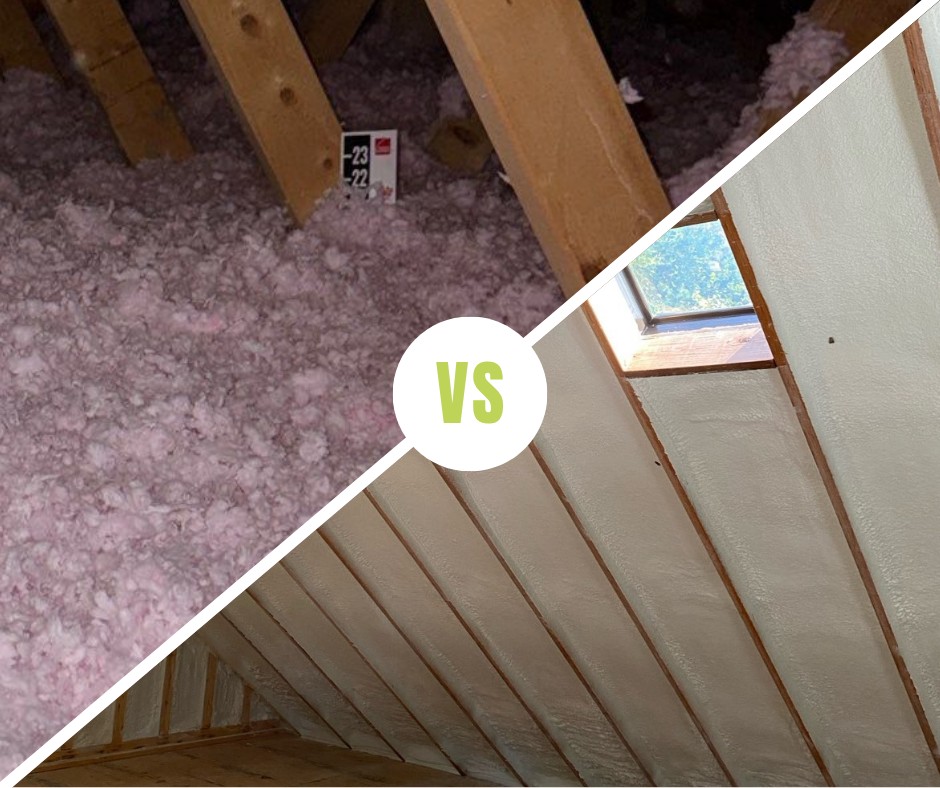
When choosing insulation for your home, cabin, shop, or commercial building, one of the biggest questions is whether to go with spray foam insulation or fiberglass insulation. Both options are commonly used, and both can help improve comfort and energy efficiency when installed properly. However, for many properties in Central Minnesota and the Brainerd Lakes Area, spray foam insulation often provides stronger long-term performance.
Minnesota buildings face extreme weather conditions throughout the year — freezing winters, humid summers, wind, moisture, and major temperature swings. Because of that, choosing the right insulation is about more than just upfront cost. It is about comfort, energy savings, moisture control, durability, and how well the insulation performs over time.
At Done Right Insulation, we help homeowners and business owners choose the insulation option that best fits their space, budget, and long-term goals.
Fiberglass Insulation Overview
Fiberglass insulation is one of the most common insulation materials used in homes and buildings. It is often installed in batts or rolls and is typically placed between wall studs, attic joists, ceilings, and floors.
One of the biggest advantages of fiberglass insulation is that it is usually more affordable upfront. For homeowners looking for a budget-friendly option, fiberglass can be a practical solution in certain areas of the home.
However, fiberglass does have limitations, especially in Minnesota’s climate.
Fiberglass insulation can:
- Allow air movement through gaps and edges
- Lose effectiveness if it becomes compressed
- Sag or settle over time
- Hold moisture if exposed to leaks or humidity
- Leave small spaces unsealed around pipes, wiring, and framing
Because fiberglass does not create an airtight seal, heated or cooled air can still escape through cracks, gaps, and hard-to-reach areas. This can lead to higher energy bills, drafty rooms, and uneven temperatures throughout the building.
Spray Foam Insulation Advantages
Spray foam insulation is a high-performance insulation material that expands after application. As it expands, it fills cracks, gaps, and tight spaces that traditional insulation may miss. This creates a strong air seal that helps stop drafts and reduce energy loss.
Spray foam insulation offers several key benefits:
- Seals air leaks more effectively
- Provides higher R-value per inch
- Helps reduce moisture intrusion
- Improves indoor comfort
- Can strengthen certain building areas
- Lasts longer without sagging or settling
- Works well in attics, walls, crawl spaces, garages, shops, cabins, and commercial buildings
For homes and buildings in Central MN, spray foam is especially helpful because it performs well in areas where air leakage is a major issue. This includes attics, rim joists, crawl spaces, garages, pole barns, and metal buildings.
Spray foam may cost more upfront than fiberglass, but many property owners choose it because of its long-term value. Better air sealing can help reduce heating and cooling loss, which may lower energy costs over time.
Which Insulation Is Best for Minnesota Homes?
For many Minnesota homes, spray foam is often the stronger long-term option because it does more than just insulate — it also helps seal the building envelope.
In cold climates like Becker, St. Cloud, Brainerd, Baxter, Nisswa, Sauk Rapids, Sartell, and surrounding Central Minnesota communities, air leaks can make a home feel cold even when the furnace is running. Spray foam helps reduce those leaks by sealing gaps where warm air escapes and cold air enters.
Fiberglass can still be a good fit in some situations, especially when budget is the main concern or when insulating open, easy-to-access spaces. But if your goal is maximum comfort, better air sealing, and stronger energy efficiency, spray foam is often the better investment.
👉 Learn more about our insulation services here: Residential Insulation
Spray Foam vs Fiberglass for Commercial Buildings
Commercial buildings can benefit greatly from spray foam insulation, especially when energy costs, moisture control, and long-term durability matter. Warehouses, shops, offices, agricultural buildings, and metal buildings often have air gaps that fiberglass alone may not fully address.
Spray foam can help commercial property owners:
- Reduce heating and cooling loss
- Improve employee and customer comfort
- Minimize drafts
- Support better moisture control
- Create a more efficient building envelope
For commercial insulation projects in Central Minnesota and the Brainerd Lakes Area, spray foam is often worth considering because it can help reduce operating costs over time.

Final Verdict: Which One Should You Choose?
Fiberglass insulation may be cheaper upfront, but spray foam insulation typically delivers stronger performance, better air sealing, improved comfort, and longer-lasting results.
If you are insulating a home, cabin, garage, shop, attic, crawl space, or commercial building in Central Minnesota, spray foam is often the better long-term investment. The best choice ultimately depends on your building, budget, and goals — and that is where working with a local insulation expert matters.
At Done Right Insulation, we help you compare your options and choose the right insulation solution for your property.
📞 Contact Done Right Insulation today to schedule a free estimate.
Frequently Asked Questions
Is spray foam better than fiberglass insulation?
Spray foam is often better for air sealing, energy efficiency, and long-term performance. Fiberglass may be more affordable upfront, but it does not seal gaps the same way spray foam does.
Is fiberglass insulation still a good option?
Yes. Fiberglass can still work well in certain areas, especially when installed properly. However, it may not be the best choice for spaces with drafts, moisture concerns, or major air leakage.
Does spray foam insulation help lower energy bills?
Spray foam can help reduce energy loss by sealing air leaks and improving overall efficiency. This may help lower heating and cooling costs over time.
What areas can be insulated with spray foam?
Spray foam can be used in attics, walls, crawl spaces, rim joists, garages, shops, pole barns, cabins, and commercial buildings.